





The Cushion Question: Picking Fabrics That Survive Real Weather
Cushions & Fabrics | September 19, 2026
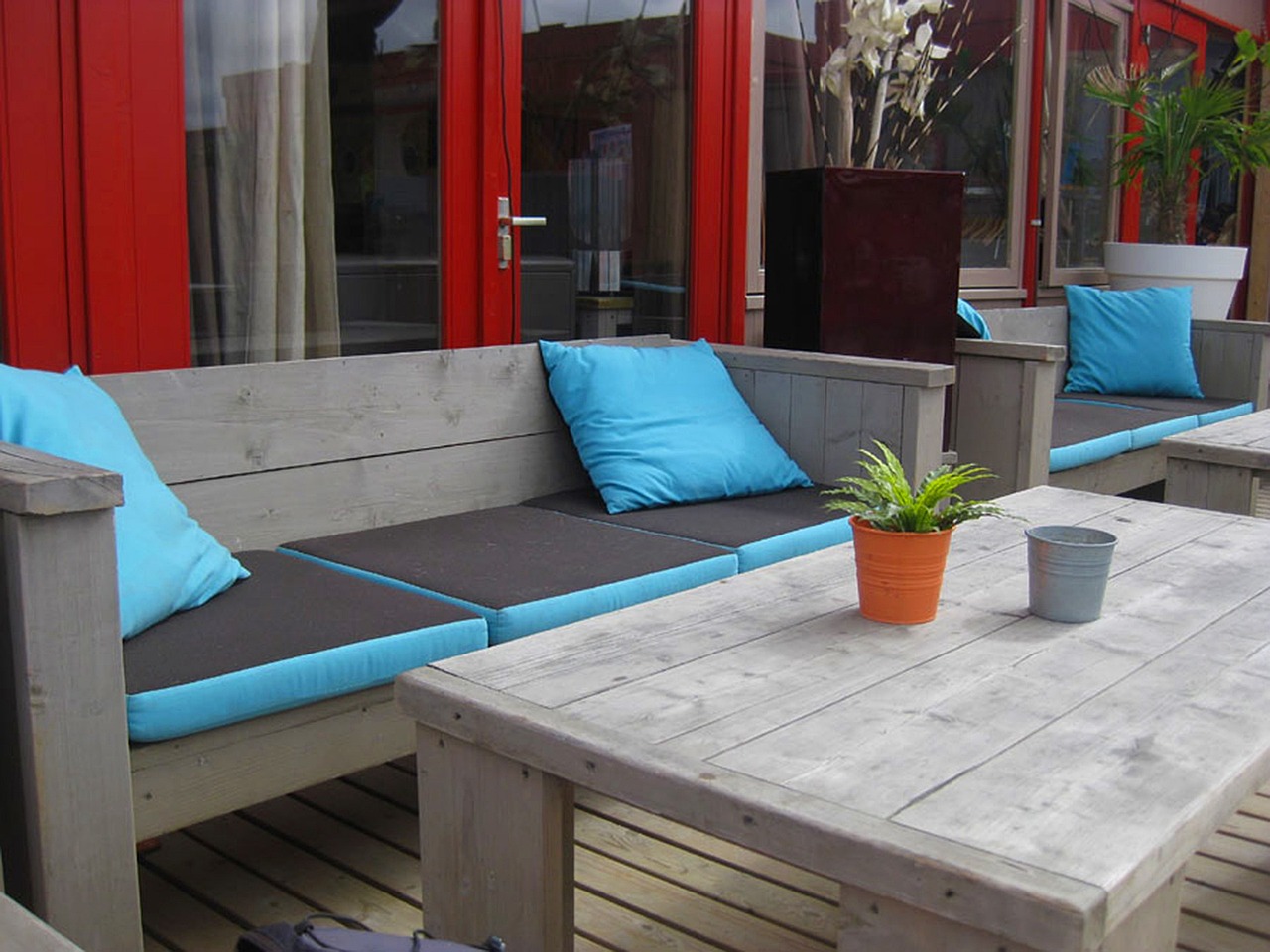
Anyone who has hauled soggy cushions into the garage after a surprise rainstorm knows the drill. The wrong fabric turns a comfortable bench into a sponge, and no amount of squeezing and sun-drying really brings it back. The right fabric, on the other hand, lets you leave your seating out all season with barely a second thought. The difference comes down to a few practical details rather than marketing buzzwords.
Start by thinking about where your bench actually sits. A covered porch is a gentler environment than an exposed lawn, and a spot under a tree deals with sap, bird droppings, and leaf stains that a sunny patio never sees. That context should shape how much you're willing to spend on covers and how fussy you're willing to be about care.
What the Common Fabrics Actually Do
Solution-dyed acrylics, the kind you find in most mid-range to upper-range outdoor cushions, have the color baked into the fiber rather than printed on the surface. That means fading happens slowly and evenly, and the fabric resists mildew better than cotton blends. It's not waterproof on its own, but it dries quickly and cleans up with mild soap and water. For most gardens, this is the sweet spot.
Polyester is the budget option and it shows. It fades faster, feels less substantial, and can pill with heavy use. That said, a well-made polyester cushion with a decent cover can last several seasons if you bring it in during the worst weather. If you're furnishing a rental or a bench you'll replace in a few years, it's a reasonable choice.
Olefin is worth knowing about because it's naturally resistant to moisture and mildew, and it's often used in boat and patio furniture for exactly that reason. It's not as soft as acrylic, and it can feel a bit stiff, but it's tough. If your bench sits in a damp corner or near a sprinkler, olefin deserves a look.
Then there's the question of the cushion core. Foam that stays wet is a problem regardless of the cover. Quick-dry foam, which has an open-cell structure that lets water pass through, is worth the upgrade if your cushions will ever get rained on. It dries in hours rather than days and resists that musty smell that plagues standard foam.
Care Habits That Make Fabric Last
No fabric is truly maintenance-free, but small habits stretch the life of any cushion. Brushing off debris before it works into the weave prevents stains from setting. Rotating cushions so the same side doesn't face the sun all season keeps fading even. And storing them in a breathable bag or box during long wet spells prevents mildew from getting a foothold.
When something does spill, deal with it quickly with lukewarm water and a drop of dish soap. Harsh cleaners and bleach can strip the protective finish on acrylic and olefin fabrics, which shortens their life. A soft brush works better than a scrub pad for textured weaves.
If you're shopping for replacement covers, check whether the manufacturer sells them separately. A bench frame can easily outlast two or three sets of cushions, and being able to refresh the look without replacing the whole seat is a quiet money-saver. It also lets you change colors when your garden palette shifts.
None of this is glamorous advice, but it's the difference between cushions that look tired by August and ones that still feel inviting when the leaves start turning. Buy the best fabric you can justify, store them when the weather turns ugly, and your bench will stay usable for years.
-
Small Balcony, Big Evenings: Making Outdoor Seating Work in Tight Spaces
Sep 9, 2026Design & Placement

-

-

-

-
How to Stop Your Garden Furniture Blowing Over (and Other Winter Prep)
Sep 20, 2026Materials & Buying Guides

-


Brookside Bench

How to choose between metal, wood, and resin outdoor seating based on your climate, maintenance tolerance, and how you actually use your garden.