





How to Stop Your Garden Furniture Blowing Over (and Other Winter Prep)
Care & Maintenance | September 28, 2026

Every year, the same thing happens. A windy night in November arrives, and by morning the garden looks like a furniture sale that got out of hand. Chairs are on their sides, a table has taken out a pot, and the parasol is somewhere near the fence. Most of this is avoidable with a bit of preparation, and the work you do in autumn pays off twice — once by preventing damage, and again in spring when your furniture is ready to use rather than needing repairs.
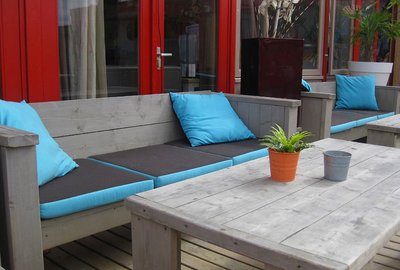
Start with the obvious: anything that can move, will move. Lightweight plastic and aluminium chairs are the worst offenders, but even heavy wooden benches can shift in a strong gust if they're on a smooth patio. If you have storage, use it. A shed or garage is the ideal home for cushions, parasols, and smaller chairs over winter. For furniture that stays outside, stack or nest chairs where possible and place them against a wall, ideally in a corner where the wind has less purchase. Ratchet straps or bungee cords around a stack of chairs will stop them scattering, and a heavy weight on top of a table — a couple of paving slabs, for instance — makes a surprising difference. If you have a parasol, take it down and store it. A parasol left up in a storm is essentially a sail attached to your table.
Covers: Useful, But Not a Magic Solution
Furniture covers get sold as a cure-all, and they do help, but only if you use them properly. The main mistake is covering damp furniture. If you trap moisture under a cover, you create a warm, humid environment that's ideal for mould and rot — worse than leaving the furniture exposed. So pick a dry, breezy day, wipe everything down, and let it air fully before covering. Choose a cover with ventilation panels or breathable fabric, and make sure it's securely fastened, because a flapping cover will rub against the surface and wear it down. Check on covered furniture once or twice over winter. After a storm, lift the cover and let everything dry out if water has got in.
Wood, Metal, and Cushions: A Quick Checklist
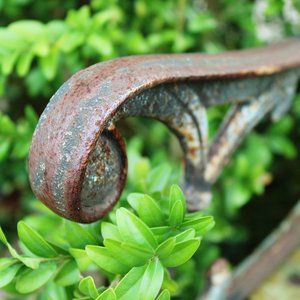
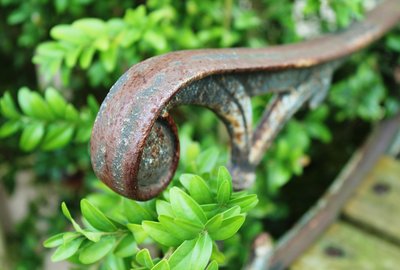
Wooden furniture benefits from a clean and a coat of oil or sealant before winter, which helps keep moisture out. Metal frames should be checked for scratches, because a small chip in powder coating is where rust begins — a touch-up pen or a dab of matching paint sorts it in minutes. Cushions should be washed according to their labels, dried completely, and stored indoors. If you don't have space indoors, a breathable storage bag in a dry, sheltered spot is the next best thing. Finally, take a photo of how everything is arranged before you pack it away. It sounds trivial, but in spring, when you're trying to remember which bolt went where, you'll be glad you did.
-
Small Balcony, Big Evenings: Making Outdoor Seating Work in Tight Spaces
Sep 7, 2026Relaxation & Comfort

-

-

-

-

-
Teak vs. Acacia: Choosing the Right Wood for Your Garden Bench
Aug 26, 2026Materials & Buying Guides

-

-
How to Stop Your Garden Furniture Blowing Over (and Other Winter Prep)
Oct 3, 2026Care & Maintenance

-

Brookside Bench
Motion changes everything about outdoor seating — here's how to pick the type that actually suits how you relax.