



Aging Gracefully: How to Let Your Garden Furniture Weather Well
Care & Maintenance | September 7, 2026
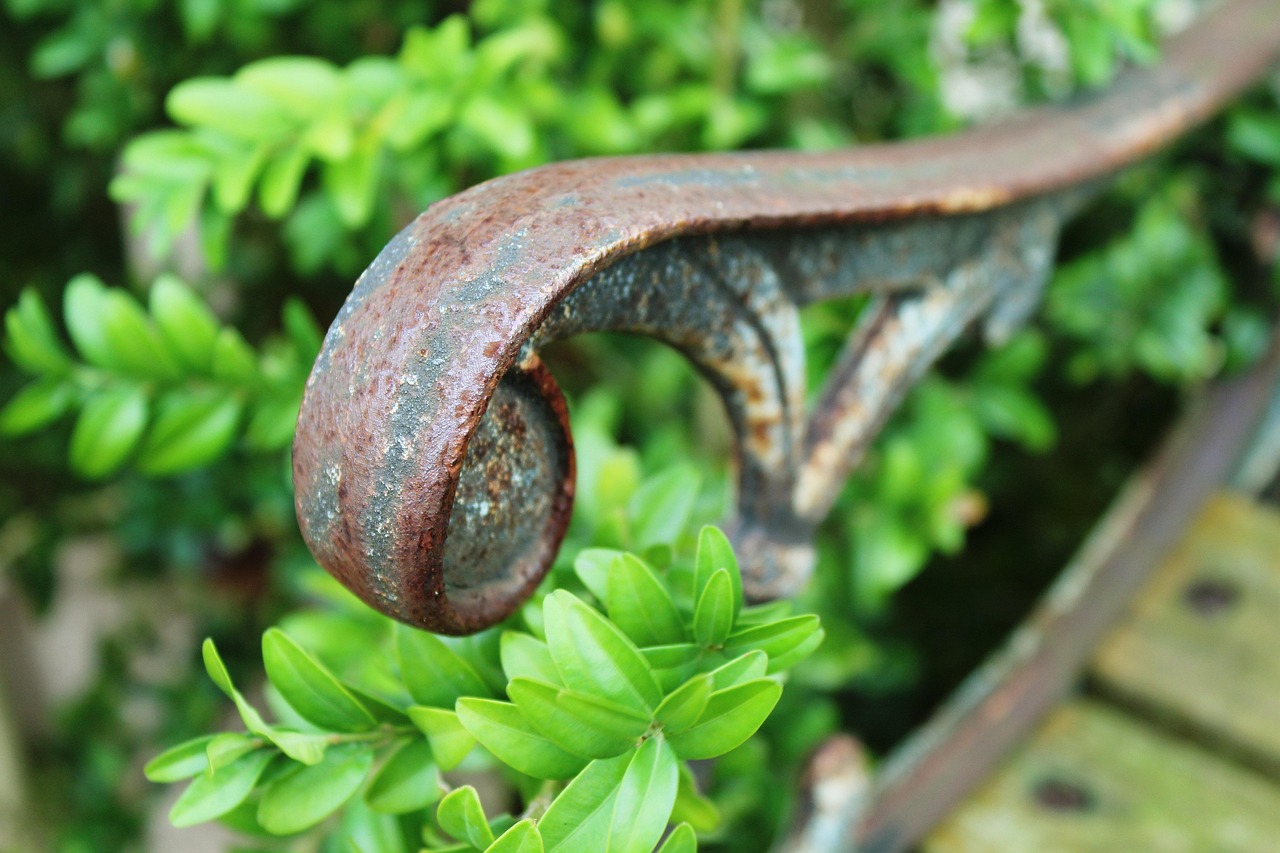
There's a moment every outdoor furniture owner faces: the first time you notice your bench doesn't look new anymore. The wood has gone silver, the metal has dulled, the cushions have softened. Your first instinct might be to panic or to reach for a restorer. But weathering and damage are two different things, and learning to tell them apart saves you money and lets you enjoy furniture that improves with age.
Weathering is the surface change that happens when materials are exposed to sun, rain, and air. It's mostly cosmetic. Damage is when the structure or function of the furniture is compromised. A silvered teak bench is weathering. A bench with a cracked leg or rusted-through frame is damaged. One is a natural process you can work with. The other needs attention.
What Healthy Weathering Looks Like
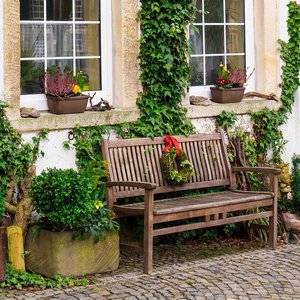
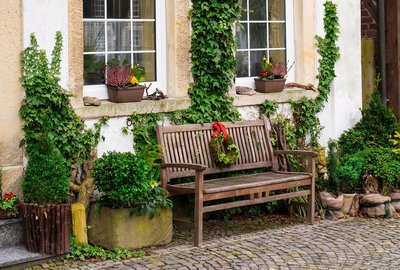
On untreated hardwood, weathering shows up as a gradual shift from warm brown to a soft grey. The surface may feel slightly rougher as the grain lifts, and small surface checks, thin cracks along the grain, may appear. These are normal. They don't affect the strength of the wood and they're part of the character of outdoor furniture. If you like the look, you can leave it entirely alone. If you prefer the original color, a light sanding and a fresh coat of oil will bring it back.
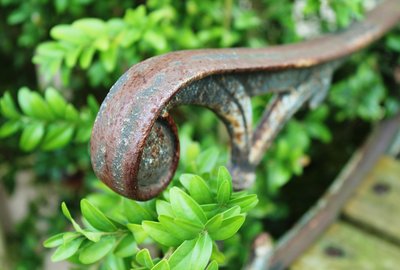
On metal, weathering shows as a dulling of the finish and perhaps some light surface oxidation on bare or scratched areas. Aluminum develops a thin grey oxide layer that actually protects the metal underneath. Steel and iron develop rust, which is more serious, but light surface rust can be wire-brushed and treated before it spreads. The key is to catch it early.
On resin and plastic, weathering shows as a slight fading and a chalky surface film. This is mostly cosmetic, though it can make the furniture look tired. A wash with mild soap and water removes the chalk, and a UV-protectant spray can slow further fading. Deep cracks or brittleness are signs of damage, not weathering.
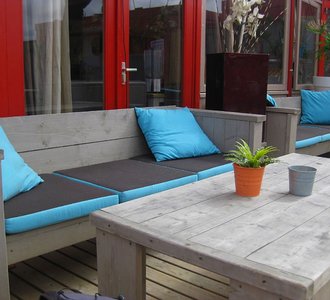
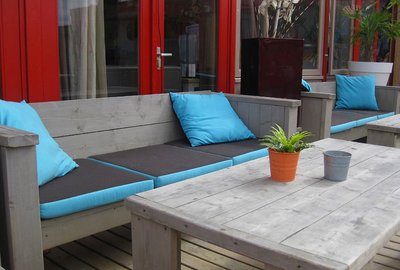
Cushions and textiles weather by fading and softening. The fabric may lose some of its crispness, and colors may mute. As long as the fabric isn't torn and the foam hasn't collapsed, the cushion is still doing its job. Regular cleaning and rotation keeps them looking better for longer.
When to Intervene and When to Let It Be
The decision to restore or let weather comes down to two things: structural integrity and your personal taste. If the furniture is safe and functional, restoration is optional. Some people love the silvered look of aged teak and wouldn't dream of oiling it. Others prefer the warmth of fresh wood and are happy to spend an afternoon each year maintaining it. Neither approach is wrong.
What matters is that you don't confuse weathering with neglect. A bench that's never cleaned, never inspected, and never touched up will eventually move from weathered to damaged. A quick annual check for loose joints, rust spots, and soft spots in wood catches small problems before they become big ones. Tightening a bolt, sanding a rough patch, or touching up a scratch takes minutes and adds years.
If you do decide to restore, work with the material rather than against it. Sand wood lightly with the grain, oil rather than varnish if you want to maintain it easily, and use products designed for outdoor use. For metal, remove loose rust, apply a rust converter, and repaint with a suitable outdoor paint. For resin, a good clean is usually all that's needed.
The most satisfying outdoor furniture is the kind that looks like it's been lived with. A bench that shows a bit of age tells a story. Care for it enough to keep it safe and comfortable, and let the rest happen naturally.
-

-
Hammocks, Swings, and Rockers: Finding Your Perfect Lazy Seat
Sep 17, 2026Materials & Buying Guides

-


Brookside Bench

Both woods look beautiful on a patio, but they age, weather, and price out very differently over the years.