

Bench Placement: Where You Put It Matters More Than What You Buy
Design & Placement | September 22, 2026
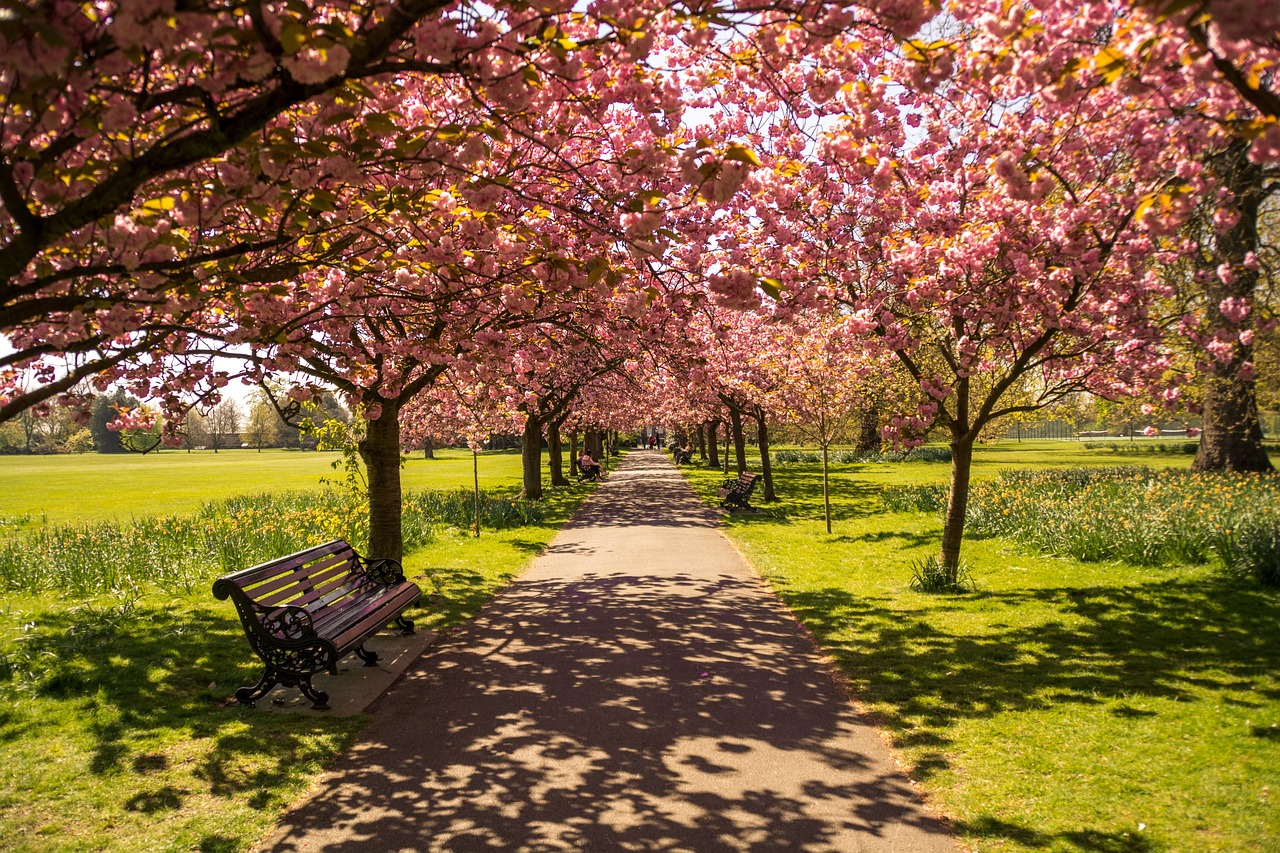
People spend hours choosing a bench and about thirty seconds deciding where to put it. That's backwards. A modest bench in the right spot will be used every day; a beautiful one facing a blank fence will be used twice a year. Placement is the difference between furniture and a place you actually want to be, and it's worth thinking through properly before you drill anything into the ground.
The first question is what the bench will look at. A seat needs a view, even a modest one. It could be a flower bed, a tree, a pond, a bird table, or simply the best stretch of sky in the garden. It could also be the house itself, which is a surprisingly pleasant thing to look at from the bottom of a lawn, especially in the evening when the windows light up. What it shouldn't be is a wall, a shed, or a wheelie bin. If your only available spot faces something dull, consider whether a screen, a planter, or a climbing frame with a rose on it could change what you see.
Sun, Shade, and the Time of Day
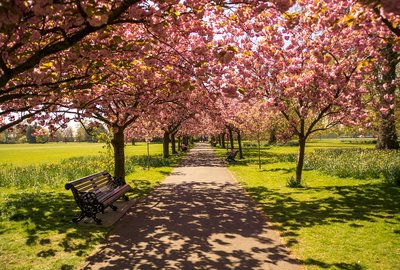
Think about when you'll actually sit there. A bench in full sun is lovely in April and unbearable in July. A spot that's shady all day can feel cold and damp even in summer. The sweet spot is usually a position that catches morning or late-afternoon sun and offers dappled shade during the middle of the day — under a deciduous tree, for example, or beside a pergola with climbers. Watch your garden over a weekend and note where the shadows fall at different times. It's a small exercise that will tell you more than any design advice. Also consider shelter. A bench against a wall or hedge is noticeably warmer and calmer than one standing in the open, because it's protected from wind on one side. That difference matters on a breezy evening.
Making It Feel Like a Destination
The best garden benches feel like a place rather than a piece of furniture. That usually means a little treatment around them. A paved or gravel pad under the bench keeps feet out of mud and defines the space. A small side table or a wide armrest gives you somewhere to put a mug. A planter or two at either end frames the seat and softens the edges. If the bench sits at the end of a path, so much the better — the walk to it becomes part of the pleasure. Lighting helps too: a solar lantern on a stake or a string of festoon lights nearby extends the bench's usefulness into the evening. None of this needs to be expensive or permanent. The point is simply to signal, to yourself as much as anyone, that this is a spot worth sitting in.


-

-

-
How to Stop Your Garden Furniture Blowing Over (and Other Winter Prep)
Oct 2, 2026Materials & Buying Guides


Brookside Bench

A practical guide to choosing outdoor cushion fabrics that hold up to sun, rain, and everyday use without constant fuss.