




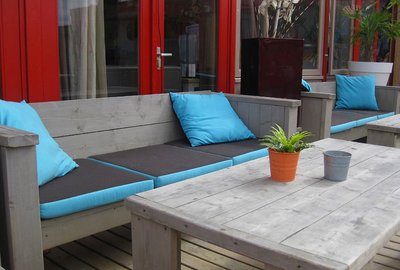
Metal, Wood, or Resin? Matching Material to Your Actual Garden
Materials & Buying Guides | September 16, 2026
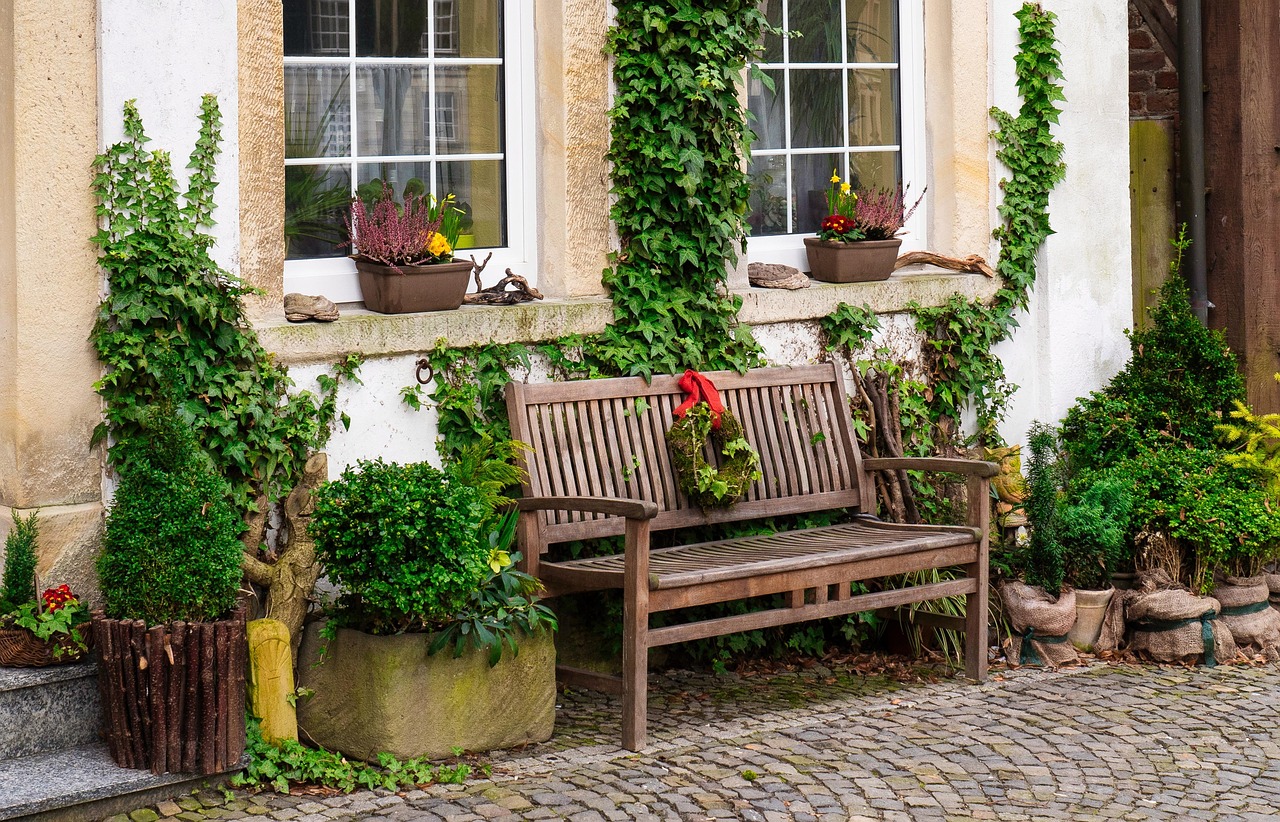
Walk into any garden centre and you'll see the same three families of outdoor seating: metal, wood, and resin or plastic. Each has passionate defenders, and each has real weaknesses. The honest answer to which is best is that it depends on your climate, your storage situation, and how much maintenance you're willing to do. Here's how the options actually compare in practice.
Before comparing materials, think about your garden's specific conditions. Coastal gardens deal with salt air that eats metal finishes. Damp, shaded gardens grow moss on wood and mildew on cushions. Hot, dry climates fade everything and crack cheap resin within a season or two. Your local conditions matter more than any general ranking.
Metal: Strong, Sleek, and Sometimes Noisy
Aluminum is the lightest and most rust-resistant option in the metal family. It won't corrode the way steel does, and it's easy to move around when you want to rearrange the patio. Powder-coated aluminum in a matte finish looks modern and holds up well, but chips in the coating can expose bare metal that eventually pits. Touch up chips promptly and aluminum will serve you for many years.
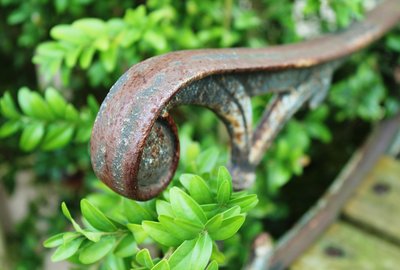
Steel and wrought iron are heavier and more traditional. They feel solid and stay put in wind, which is a real advantage for exposed gardens. The trade-off is rust. Even powder-coated steel will eventually show rust at welds and scratches, especially in coastal or humid areas. If you go this route, plan on an annual inspection and a rust-prevention touch-up.
One thing people forget about metal: it gets hot in direct sun and cold in the morning. A dark metal bench in full sun can be uncomfortable to sit on in midsummer. Lighter colors and cushions solve this, but it's worth considering before you buy.
Wood, Resin, and the Middle Ground
Wood is the material most people picture when they think of a garden bench, and for good reason. It's warm, repairable, and ages gracefully if you choose the right species. Teak and acacia are the two most common, but they behave differently. Teak is denser, more weather-resistant, and more expensive. Acacia is lighter, more affordable, and needs more regular oiling to stay looking its best. Both will silver with age if left untreated, which some people love and others don't.
Softwoods like pine are budget-friendly but need annual sealing and will still only last a handful of seasons in wet climates. If you want wood without the fuss, look for FSC-certified hardwood and accept that a yearly oiling is part of the deal.
Resin and plastic seating has improved dramatically in the last decade. Good quality resin is UV-stabilised, won't rot, won't rust, and wipes clean with a hose. It's the easiest option by far. The downside is that cheap resin becomes brittle and chalky after a few summers, and it can look plasticky up close. If you buy resin, spend a bit more for a brand that offers a UV warranty.
There's also the hybrid approach: wood frames with metal or resin components, or resin that mimics wood grain. These can be a good compromise, but quality varies widely. Sit on them in the shop if you can, and check the weight. A bench that feels flimsy in the showroom will feel flimsier after a season outside.
The bottom line is that no material is universally best. Match the material to your climate, your willingness to maintain it, and how you want your garden to feel. A bench you actually use beats a prettier one you're afraid to leave outside.
-

-
Teak vs. Acacia: Choosing the Right Wood for Your Garden Bench
Oct 4, 2026Materials & Buying Guides

-

-
How to Stop Your Garden Furniture Blowing Over (and Other Winter Prep)
Sep 2, 2026Care & Maintenance

-

-


Brookside Bench

Simple styling ideas that turn a plain outdoor bench into a comfortable, inviting corner without spending a fortune.