






Small Balcony, Big Evenings: Making Outdoor Seating Work in Tight Spaces
Small Spaces | October 1, 2026
There's a particular kind of frustration that comes with a small balcony. You can see the appeal of sitting out there with a drink, but the space is narrow, the walls are close, and whatever you put down seems to swallow the whole floor. The good news is that small outdoor spaces often feel better than large ones when they're set up properly, because everything is within reach and there's no wasted ground to maintain. The trick is choosing seating that suits the shape of your space rather than the shape of a catalogue page.
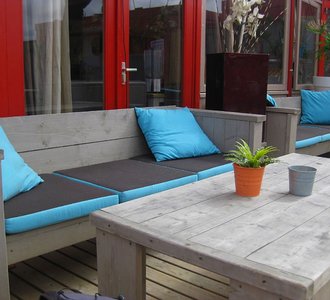
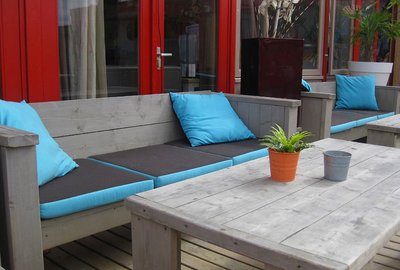
The first thing to measure is not the balcony itself but the walking route. If you have to squeeze past a chair to reach the door or the washing line, you'll stop using it. Aim to keep a clear path of at least 60cm, and treat that as fixed. Everything else fits around it. Folding and stacking furniture earns its place here: a bistro set that folds flat against the wall can turn a two-square-metre balcony into something genuinely usable, and it can come inside when the weather turns. If you'd rather have something more permanent, look at benches and corner units that sit flush against the railing.
Think Vertically and Around Corners
Floor space is precious, but wall and railing space is usually going unused. A drop-leaf table mounted to the wall gives you somewhere to put a cup without eating into the standing area. Corner benches make use of the awkward right angles that most balconies have. If your railing is solid and sturdy, a hanging or clamp-on bar shelf can hold drinks and small plants at standing height. Just be careful with anything that clamps over a glass or composite railing — check the weight limit and never lean your full weight on it. For seating itself, a compact two-seater with a slim frame will usually feel more generous than two separate chairs, because you're not paying for the gaps between them.
Materials That Suit a Balcony
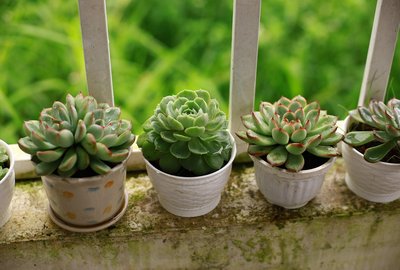
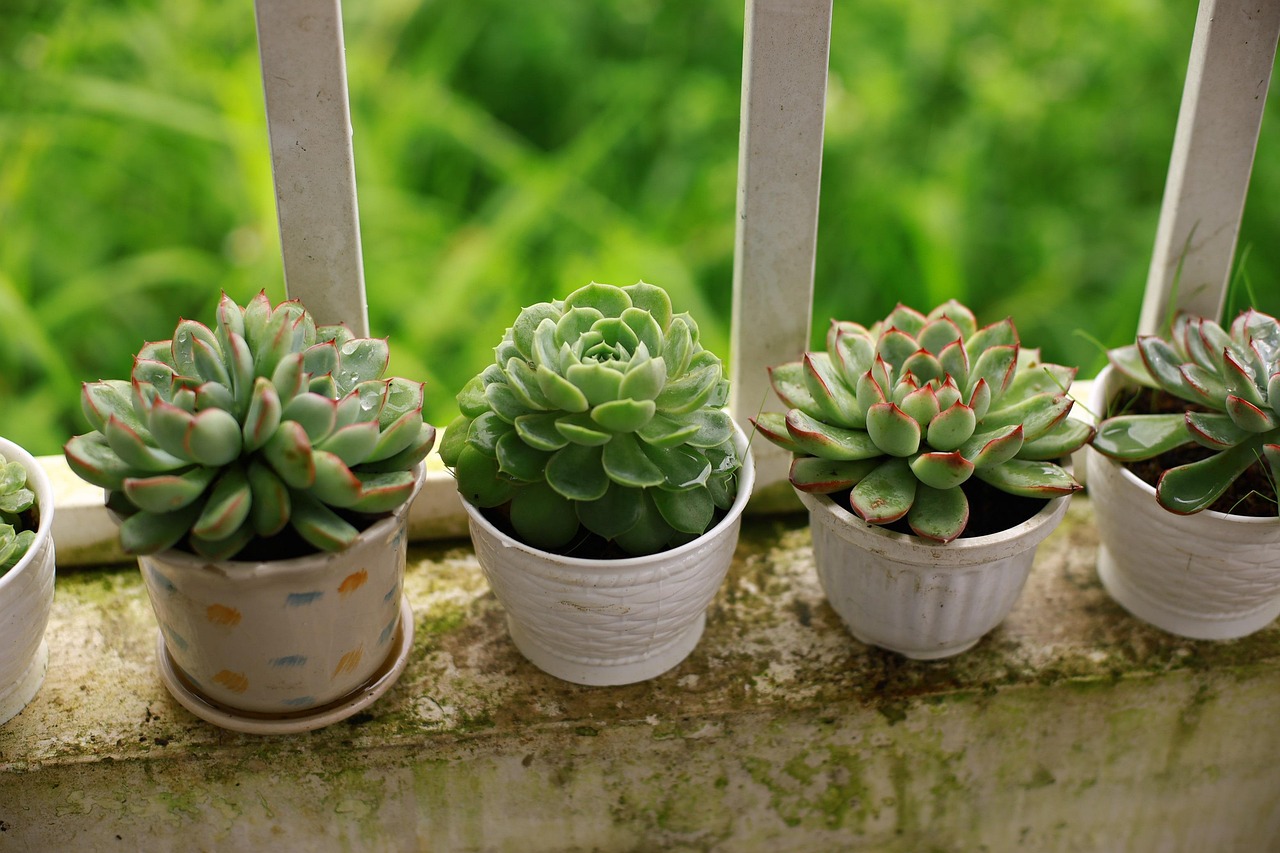
Balconies are harsher environments than gardens in some ways. Wind funnels between buildings, rain blows sideways, and there's often no soil or greenery to buffer the conditions. Lightweight metal frames with powder coating hold up well, and they're easy to move when a storm is forecast. Rattan-style furniture looks warm and inviting, but check whether it's real rattan or synthetic — synthetic weaves handle damp and UV far better. Cushions should have removable, washable covers, and it's worth storing them indoors when not in use, because damp cushions are the fastest route to a bench you don't want to sit on. Finally, add a couple of pots along the railing. A small balcony with plants around the edges feels enclosed and private in a way that bare space never does, and it costs very little to achieve.


-

-

-
Aging Gracefully: How to Let Your Garden Furniture Weather Well
Sep 5, 2026Materials & Buying Guides

-

-
Small Balcony, Big Evenings: Making Outdoor Seating Work in Tight Spaces
Sep 8, 2026Care & Maintenance

-
How to Stop Your Garden Furniture Blowing Over (and Other Winter Prep)
Aug 27, 2026Relaxation & Comfort

Brookside Bench

A few hours of preparation in autumn will save your furniture from storm damage and spring repairs.