



Teak vs. Acacia: Choosing the Right Wood for Your Garden Bench
Materials & Buying Guides | October 4, 2026
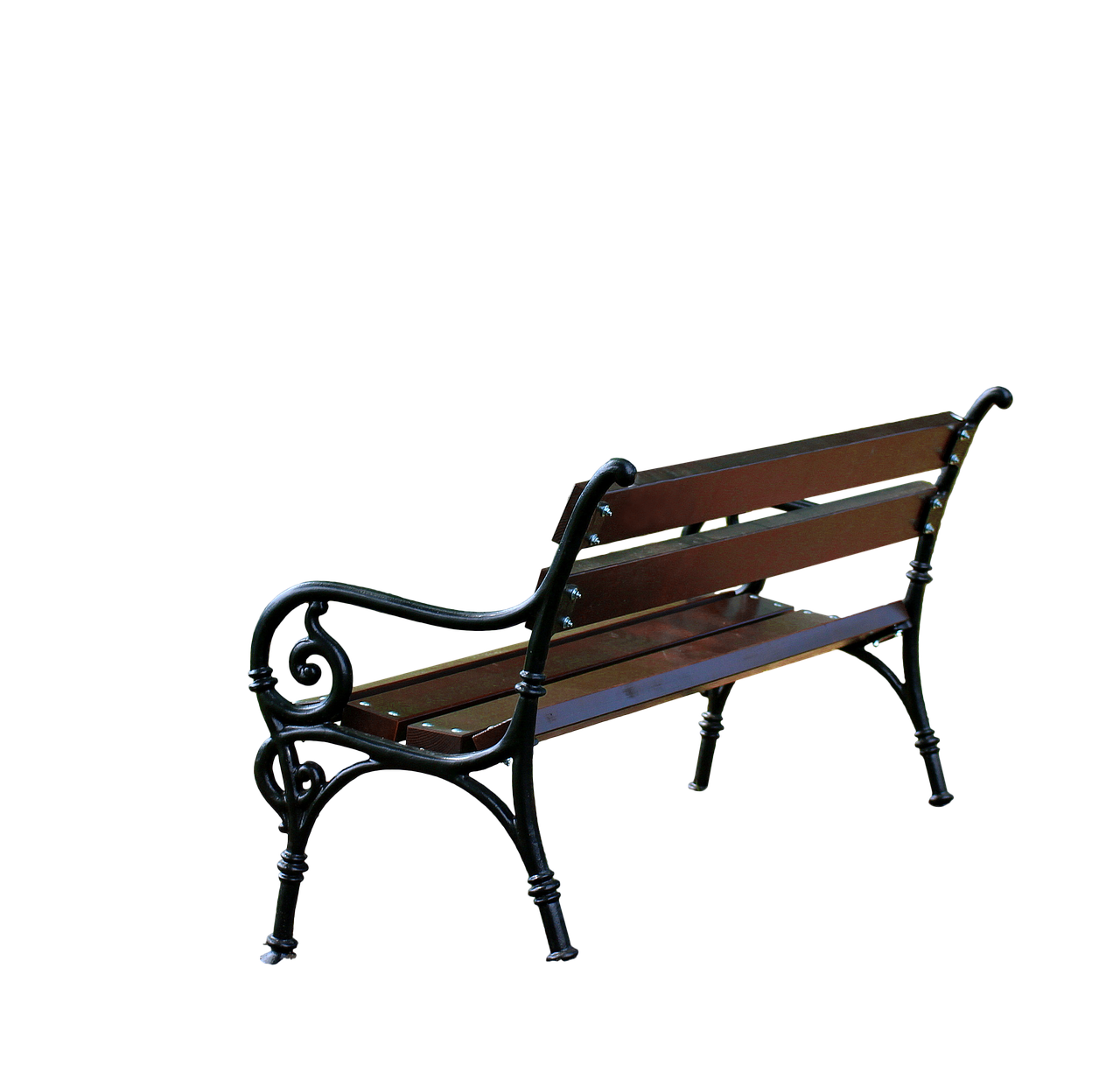
Walk into any garden centre and you'll see benches in every shade of brown, and two names come up again and again: teak and acacia. They look similar enough in a showroom, but they behave quite differently once they've spent a few seasons outdoors. If you're weighing up a purchase, it helps to understand what each wood actually does when the British weather gets to work on it.
Teak has a long reputation as the gold standard for outdoor furniture, and it earns that reputation honestly. It's a dense, oily hardwood, and that natural oil is what makes it so resistant to rot, insects, and moisture. A teak bench left untreated will gradually turn from honey-gold to a soft silvery grey, which many people actually prefer. If you want to keep the original colour, a light clean and an annual application of teak oil will do it. The catch is the price. Good teak is expensive, and a cheap teak bench is often a thin, plantation-grown version that won't last anything like as long as the marketing suggests. Check the weight — a solid teak bench is surprisingly heavy for its size.
How Acacia Compares in Practice
Acacia has become the affordable alternative, and for good reason. It's also a hardwood, it's fast-growing, and it takes on a rich, warm tone that looks lovely against green planting. The trade-off is density. Acacia is softer than teak, so it dents and scratches more easily, and it doesn't contain the same level of natural oil. That means it needs a bit more care to stay looking its best — typically an oil or sealant once or twice a year. Left completely bare, acacia will grey and can develop surface cracks as it expands and contracts with the seasons. None of this makes it a bad choice. A well-made acacia bench at a third of the teak price can be excellent value, particularly if you're happy to spend twenty minutes on it each spring.
What to Look For Whatever You Choose
Wood species matters less than construction. Look at the joints: mortise-and-tenon or proper dowel joints will outlast screws driven straight into end grain. Check that the fixings are stainless steel or galvanised, because ordinary steel bolts will rust and stain the wood within a year. Run your hand along the surface — sharp edges and rough patches are a sign of rushed finishing. And think about where the bench will live. A sheltered spot under a wall or tree will be far kinder to any wood than an exposed, windswept corner. If your bench will sit out in all weathers year-round, either invest in teak or commit to covering an acacia bench through the winter. Either way, a wooden bench rewards a little attention, and both of these woods can give you many years of quiet evenings outside.


-

-

-
Small Balcony, Big Evenings: Making Outdoor Seating Work in Tight Spaces
Sep 10, 2026Design & Placement

Brookside Bench

You don't need a garden to have a proper outdoor seat — you need the right footprint and a bit of planning.